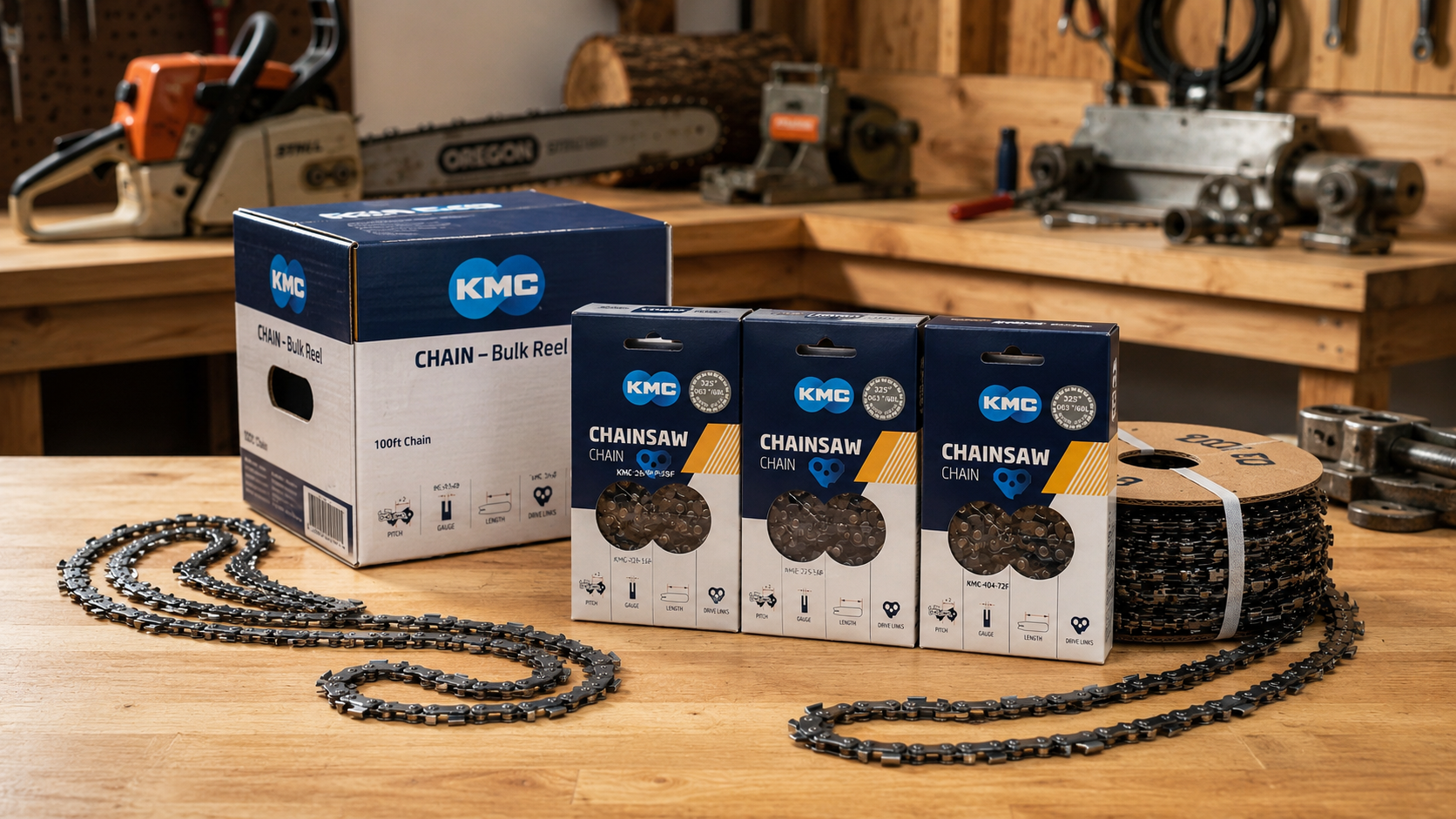
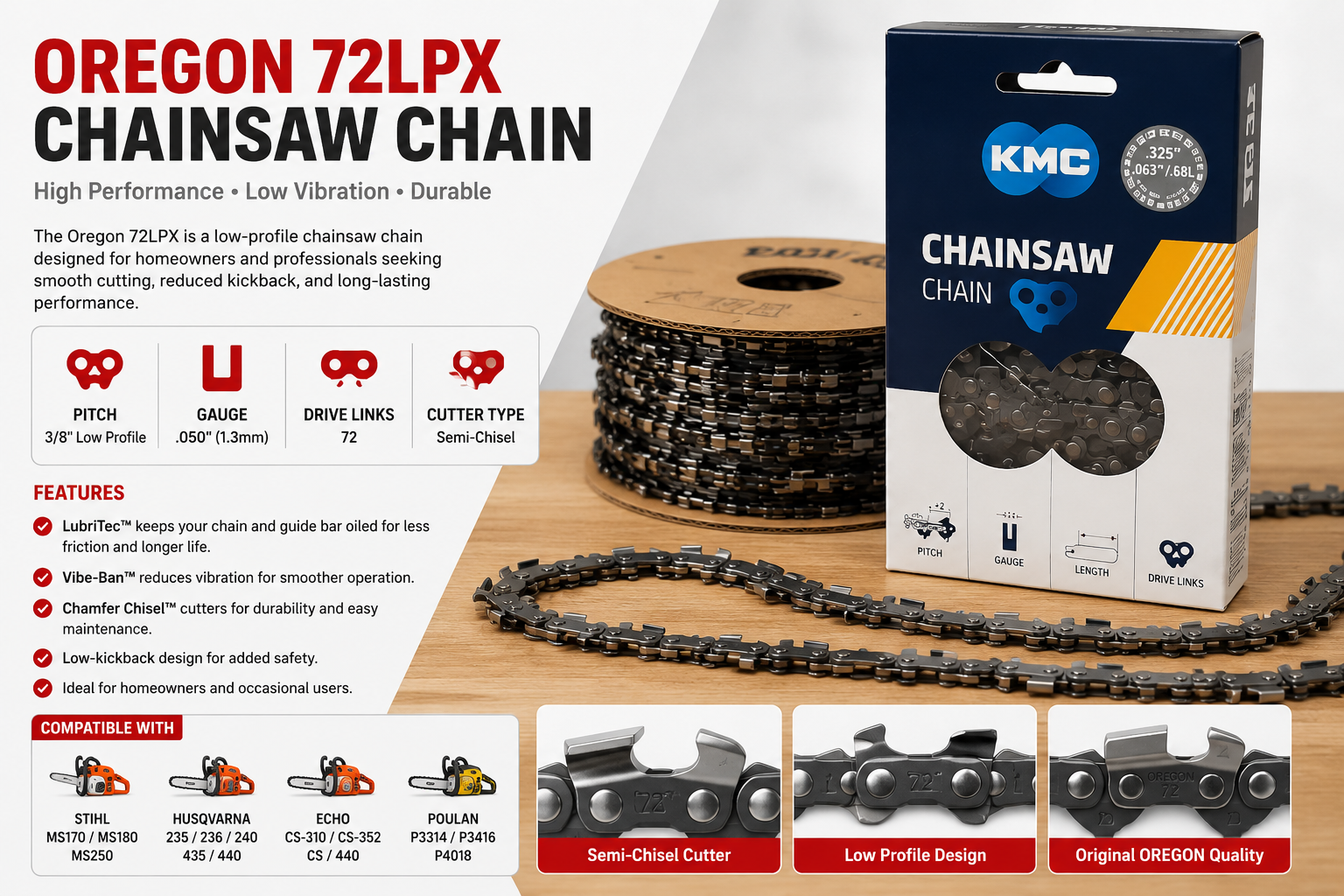
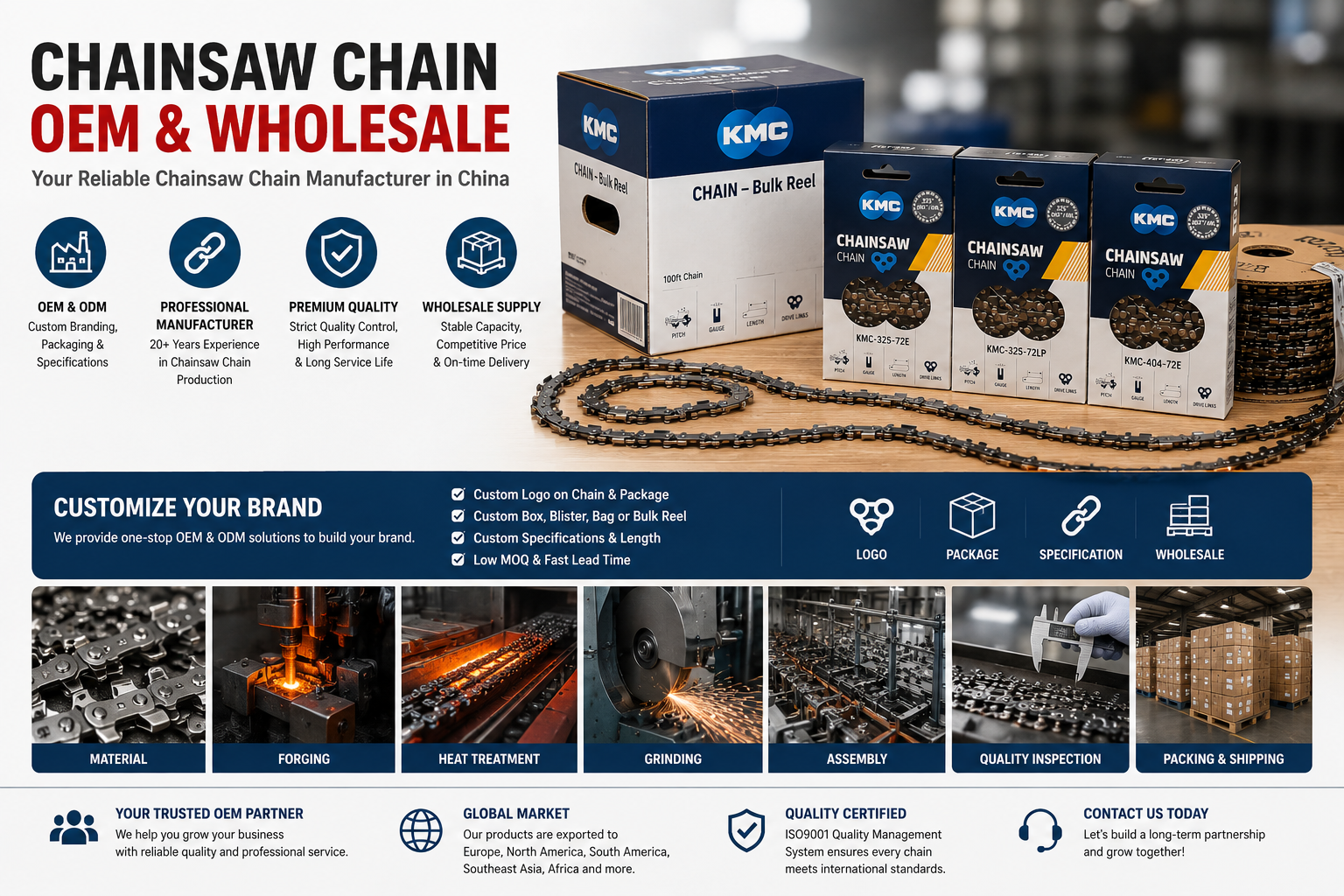
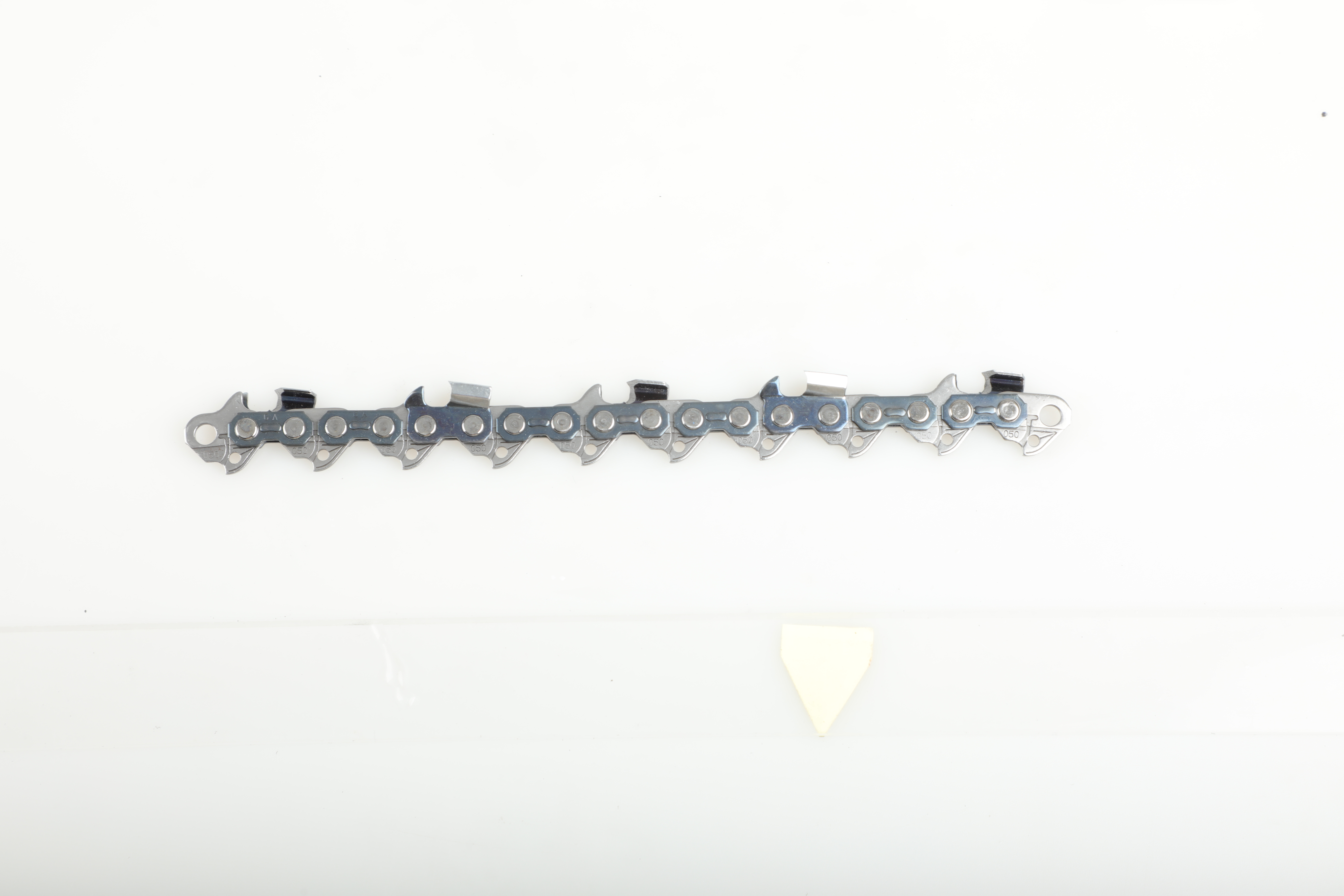
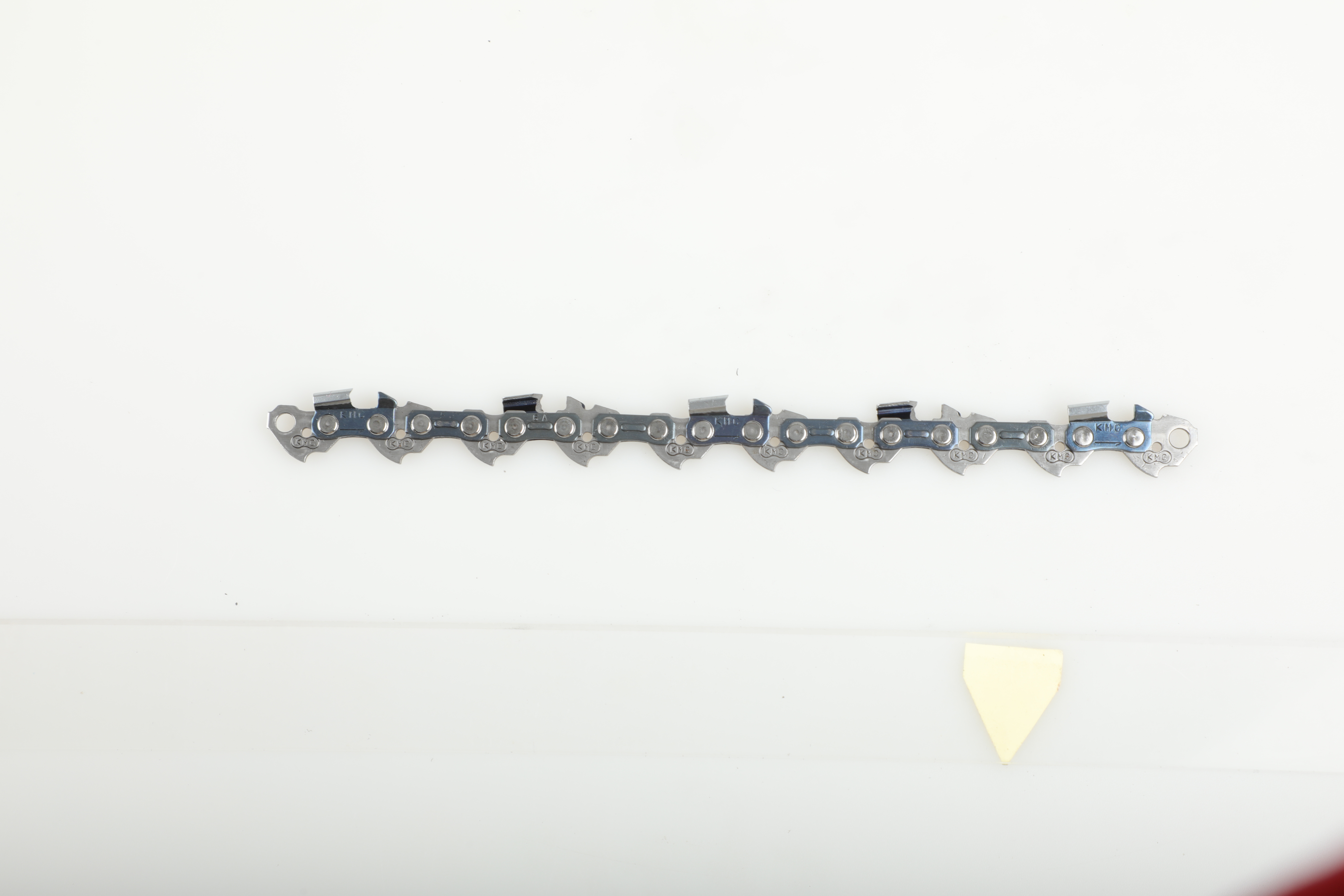
Quick answer: An industrial saw chain supplier should confirm the machine and drive-system specification, expected duty cycle, pitch, gauge, drive-link count, cutter or chain form, lubrication, maintenance method, package format and batch traceability. Heavy-duty selection should be validated with representative samples and application review rather than chosen from pitch alone.
Industrial chain programs carry different consequences from an occasional replacement loop. Downtime, mixed inventory and maintenance inconsistency can affect crews or equipment fleets. This guide shows how heavy-duty buyers can define the application, qualify a supplier and build a repeatable supply record without making unsupported performance promises.
- Document equipment, drive system and material.
- Lock fit before discussing output.
- Treat maintenance as part of product selection.
- Test the intended material and machine safely.
- Keep fleets and batches identifiable.
Table of Contents
- Define the Machine and Application Envelope
- Confirm Heavy-Duty Chain Dimensions and Form
- Evaluate Duty Cycle, Lubrication and Maintenance
- Run Representative Application Samples
- Review Industrial Traceability and Spares Control
- Plan Continuity, Reorders and Technical Changes
- Frequently Asked Questions
- Conclusion
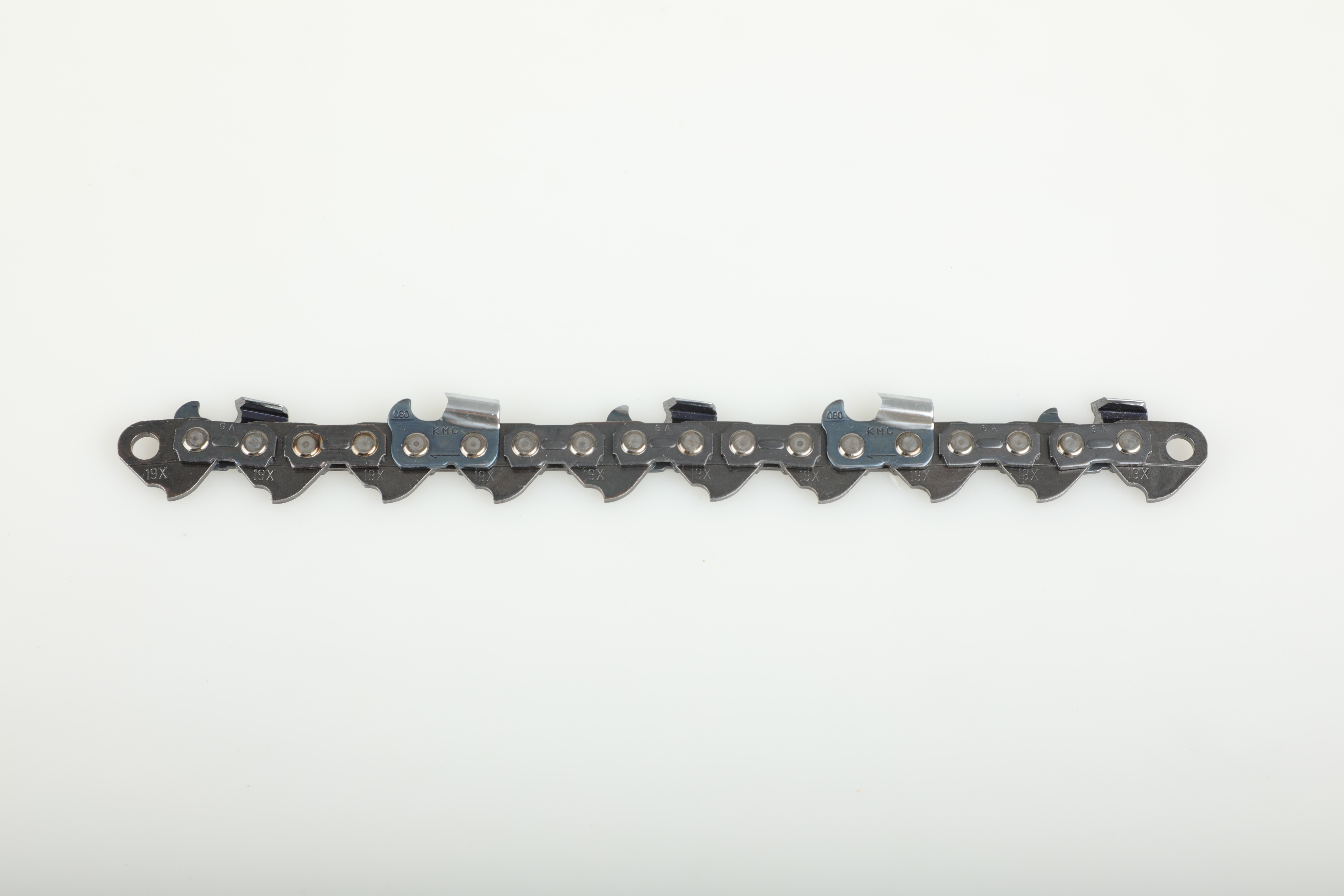
Industrial purchasing should connect the chain specification to the machine, duty cycle, material and maintenance system.
Define the Machine and Application Envelope
The request should describe the saw or harvester arrangement, wood condition, duty pattern and operating environment. For forestry contractors, equipment integrators and industrial distributors, this point should be connected to a written product or order requirement rather than left as a general preference. The response is easier to compare when every candidate uses the same terminology and confirms any exception before work begins.
The practical action is to separate verified equipment data from desired cutting behavior and service targets Keep the result with the quotation, sample or order record so later decisions use the approved version. When several chain configurations are involved, separate them by pitch, gauge and drive-link count instead of combining different loops in one description.
A common failure is selecting an industrial chain by the word heavy-duty without a complete drive-system definition The guardrail is to require technical review of the machine, bar and sprocket combination This does not eliminate every supply or operating risk, but it makes the decision visible, reviewable and easier to correct before a full order is packed or used.
| Decision point | What to confirm | Why it matters |
|---|---|---|
| Specification | Pitch, gauge, drive links and chain form | Controls physical fit |
| Sample | Measured loop and approved identity | Creates the release reference |
| Quality | Inspection and batch record | Supports repeat consistency |
| Packaging | Product code, proof and carton mark | Prevents mixed goods |
| Change control | Written approval before substitution | Protects repeat orders |
Confirm Heavy-Duty Chain Dimensions and Form
Pitch, gauge and drive-link count must match the intended system while cutter form suits the application. For forestry contractors, equipment integrators and industrial distributors, this point should be connected to a written product or order requirement rather than left as a general preference. The response is easier to compare when every candidate uses the same terminology and confirms any exception before work begins.
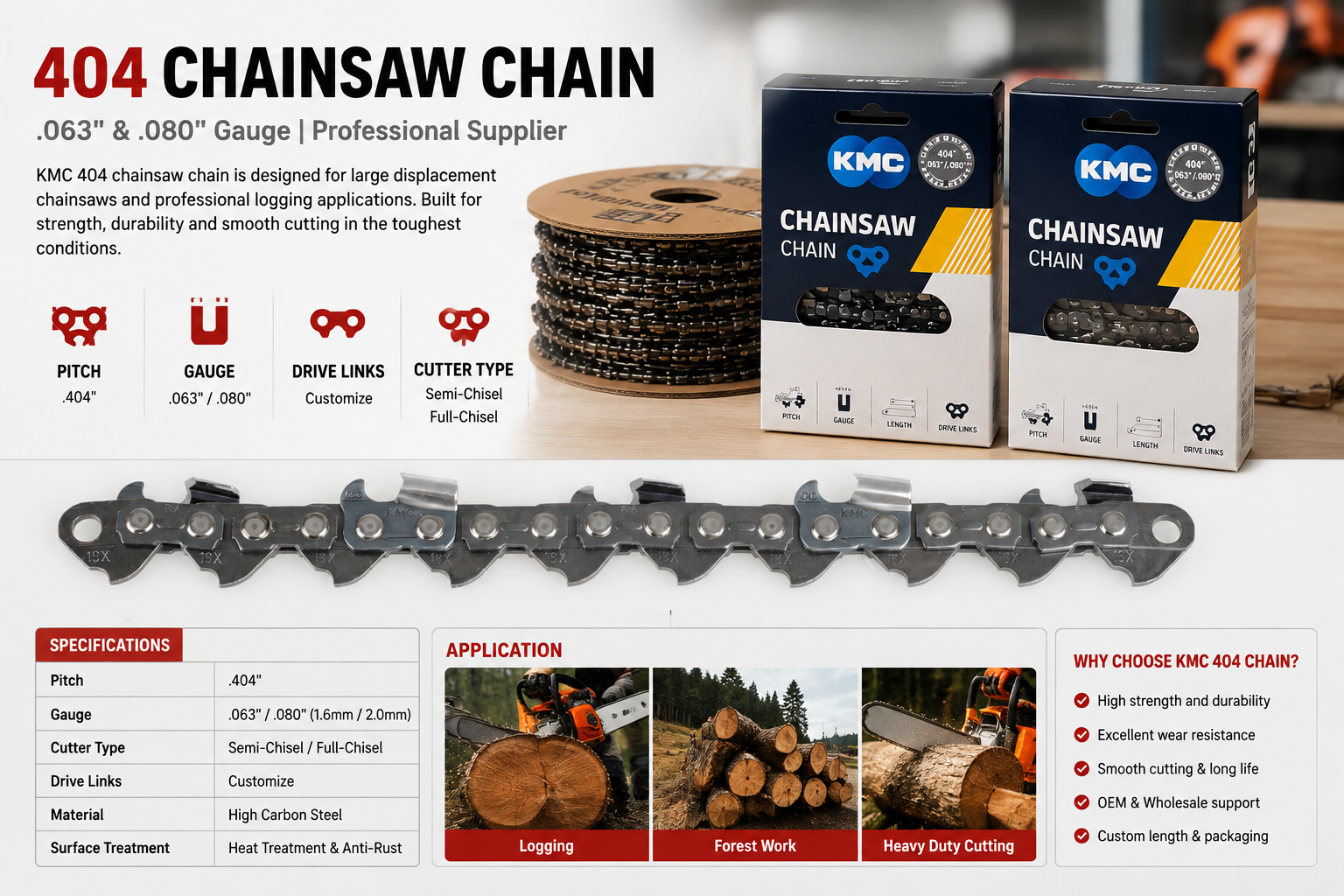
The practical action is to use the .404 chain category or other relevant range only after dimensions are verified Keep the result with the quotation, sample or order record so later decisions use the approved version. When several chain configurations are involved, separate them by pitch, gauge and drive-link count instead of combining different loops in one description.
A common failure is assuming .404 or any large pitch automatically fits every industrial machine The guardrail is to approve one exact product code and representative loop for each configuration This does not eliminate every supply or operating risk, but it makes the decision visible, reviewable and easier to correct before a full order is packed or used.
Evaluate Duty Cycle, Lubrication and Maintenance
Industrial use needs realistic intervals for inspection, lubrication, sharpening, tension and replacement decisions. For forestry contractors, equipment integrators and industrial distributors, this point should be connected to a written product or order requirement rather than left as a general preference. The response is easier to compare when every candidate uses the same terminology and confirms any exception before work begins.
The practical action is to share the operating and service practice with the supplier during sample review Keep the result with the quotation, sample or order record so later decisions use the approved version. When several chain configurations are involved, separate them by pitch, gauge and drive-link count instead of combining different loops in one description.
A common failure is comparing new chains without considering the maintenance system that will support them The guardrail is to document the planned checks and train users on the approved chain This does not eliminate every supply or operating risk, but it makes the decision visible, reviewable and easier to correct before a full order is packed or used.
Run Representative Application Samples
Samples should be evaluated in controlled conditions that resemble normal use and allow side-by-side observation. For forestry contractors, equipment integrators and industrial distributors, this point should be connected to a written product or order requirement rather than left as a general preference. The response is easier to compare when every candidate uses the same terminology and confirms any exception before work begins.
The practical action is to record fit, tension behavior, cutting response, inspection findings and maintenance notes Keep the result with the quotation, sample or order record so later decisions use the approved version. When several chain configurations are involved, separate them by pitch, gauge and drive-link count instead of combining different loops in one description.
A common failure is turning a short demonstration into an absolute service-life or safety claim The guardrail is to state test conditions and use results only for the evaluated configuration This does not eliminate every supply or operating risk, but it makes the decision visible, reviewable and easier to correct before a full order is packed or used.
Review Industrial Traceability and Spares Control
Product codes, batch information and package labels should support receiving, issue and investigation. For forestry contractors, equipment integrators and industrial distributors, this point should be connected to a written product or order requirement rather than left as a general preference. The response is easier to compare when every candidate uses the same terminology and confirms any exception before work begins.
The practical action is to define how loops or reels are identified after outer cartons are opened Keep the result with the quotation, sample or order record so later decisions use the approved version. When several chain configurations are involved, separate them by pitch, gauge and drive-link count instead of combining different loops in one description.
A common failure is mixing similar industrial chains in unmarked workshop inventory The guardrail is to use durable internal labels and segregated storage locations This does not eliminate every supply or operating risk, but it makes the decision visible, reviewable and easier to correct before a full order is packed or used.
Plan Continuity, Reorders and Technical Changes
Industrial buyers need lead-time assumptions, reorder points and a controlled response to discontinued or changed inputs. For forestry contractors, equipment integrators and industrial distributors, this point should be connected to a written product or order requirement rather than left as a general preference. The response is easier to compare when every candidate uses the same terminology and confirms any exception before work begins.
The practical action is to review forecast, safety stock and approval rules for proposed alternatives Keep the result with the quotation, sample or order record so later decisions use the approved version. When several chain configurations are involved, separate them by pitch, gauge and drive-link count instead of combining different loops in one description.
A common failure is discovering a specification change only when replacement stock is needed urgently The guardrail is to require advance notification and validate alternatives before normal inventory is exhausted This does not eliminate every supply or operating risk, but it makes the decision visible, reviewable and easier to correct before a full order is packed or used.
Frequently Asked Questions
Is .404 chain always the industrial choice?
No. .404 is used in demanding applications, but selection still depends on the machine, sprocket, bar, gauge, drive-link count and intended job. Verify the full system before ordering.
What should an industrial chain sample test record include?
Record the machine and bar, chain specification, material condition, test duration or work scope, fit, tension observations, cutting response, maintenance actions and post-test inspection. Avoid generalizing beyond those conditions.
How should industrial chains be stored after opening cartons?
Keep product codes and batch identity with the chains, protect them from contamination and moisture, and separate similar specifications physically. Workshop bins should show pitch, gauge and intended product code.
Can KMC review a heavy-duty requirement?
Send machine, bar, sprocket, pitch, gauge, drive links and application details through the contact page. Relevant products include the .404 range.
Conclusion
Choosing an industrial saw chain supplier requires a complete application and supply review. Define the machine, lock the dimensions, discuss duty and maintenance, test representative samples, preserve traceability and plan continuity. Those controls support a stable heavy-duty program without relying on broad claims.