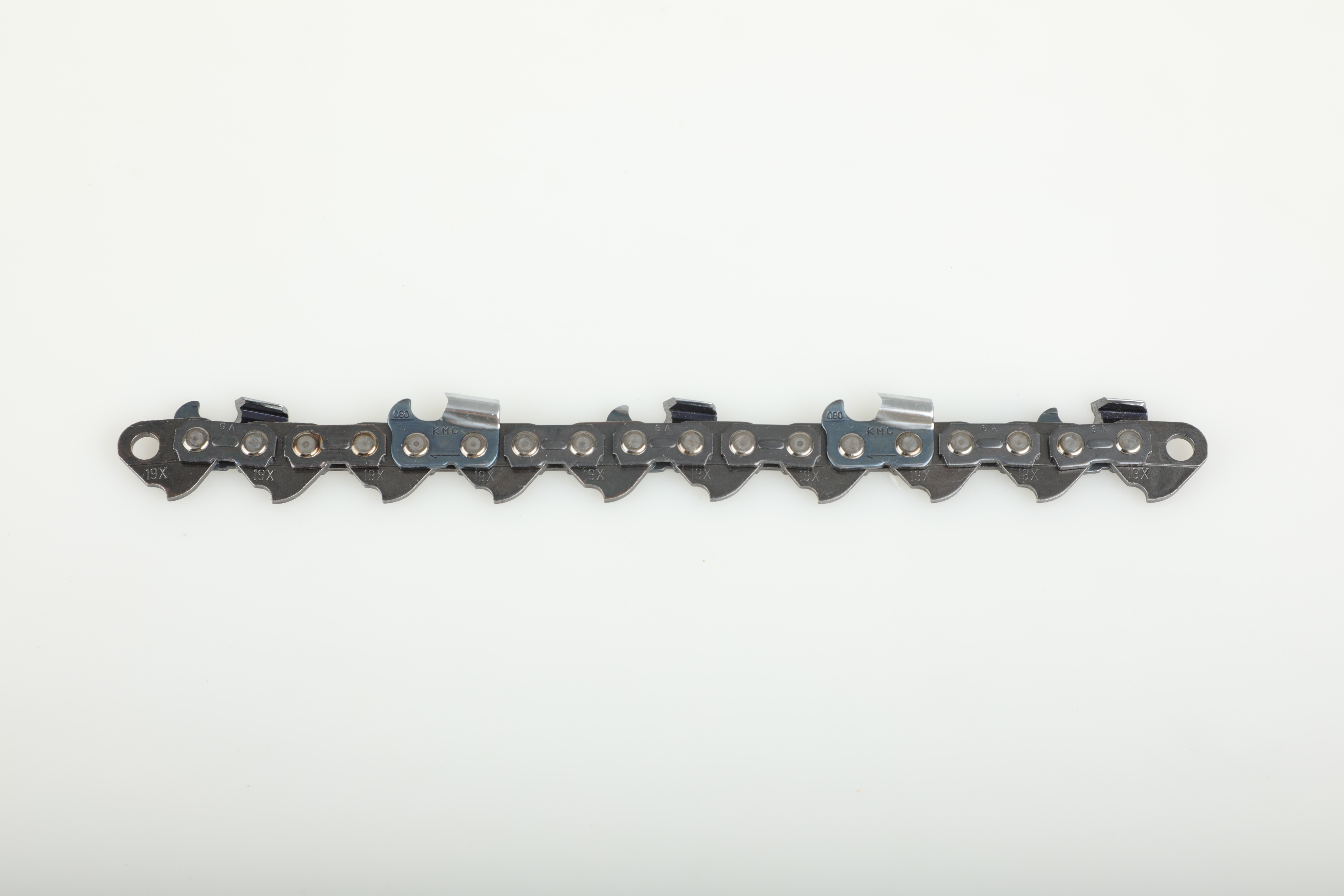
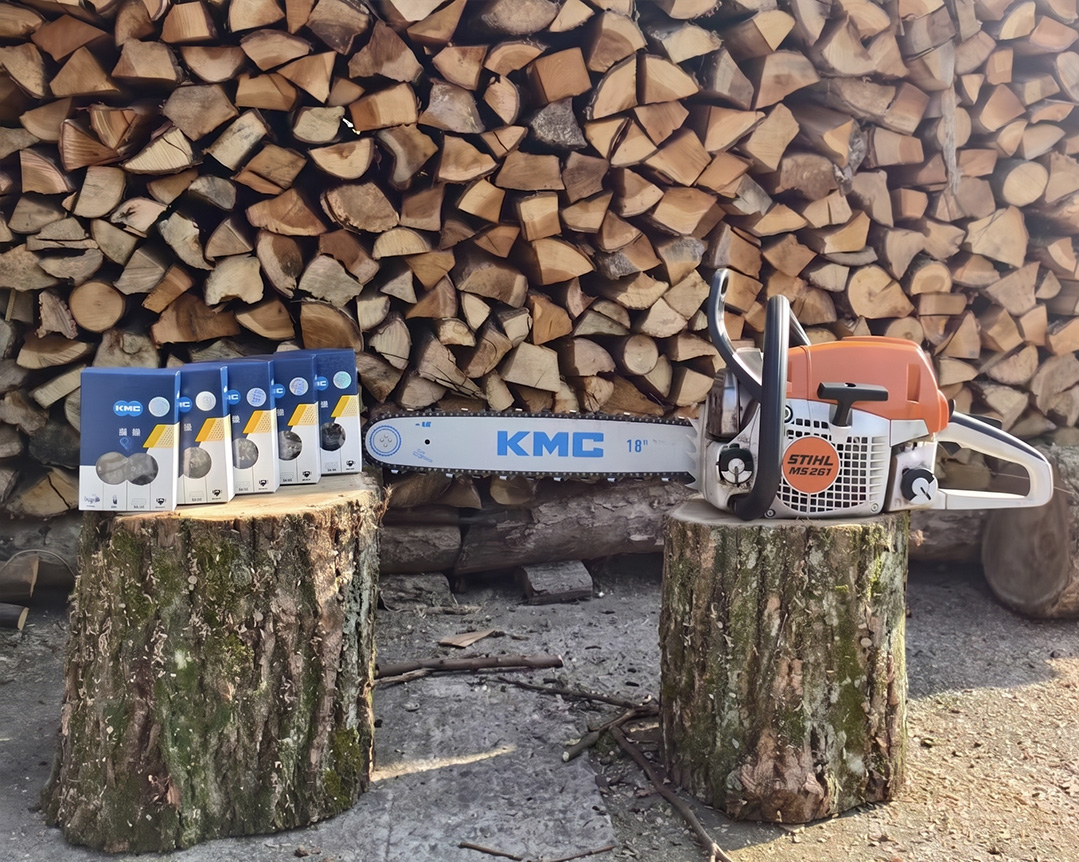
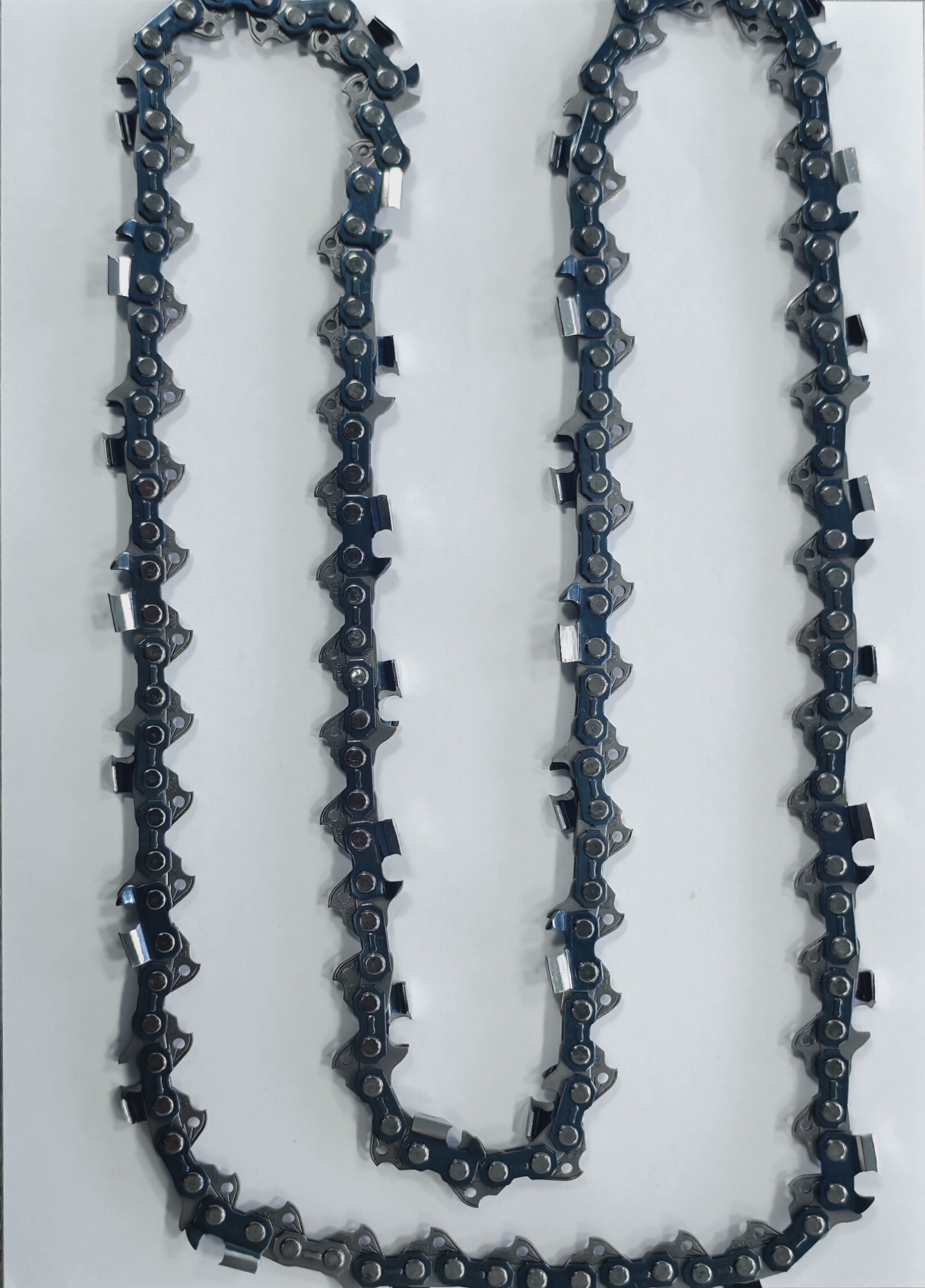
Choosing a China chainsaw chain manufacturer is not only a price comparison. Importers, distributors, equipment brands and e-commerce sellers need a supplier that can interpret chain specifications correctly, keep product identification consistent and support an order from sample confirmation through repeat production.
A factory comparison should begin with the chain specification. Pitch, gauge and drive-link count determine fit. Cutter profile, sequence and low-profile or standard construction determine the product family and application. Packaging, logos and assortment planning should be discussed only after those technical details are fixed.
What to Expect from a China Chainsaw Chain Manufacturer
A manufacturer should be able to discuss the chain as a complete cutting component. That means distinguishing pitch from gauge, confirming drive-link count and explaining available cutter and sequence options without treating similar-looking loops as interchangeable. Clear technical communication is especially important when a buyer manages many saw models.
The supplier should also understand the commercial form of the order. A distributor may need mixed specifications in neutral cartons. A private-label brand may need printed boxes, color labels and SKU codes. An equipment company may focus on chains matched to its guide bars. Each project starts from the same technical chain data but ends with a different packaging and delivery plan.
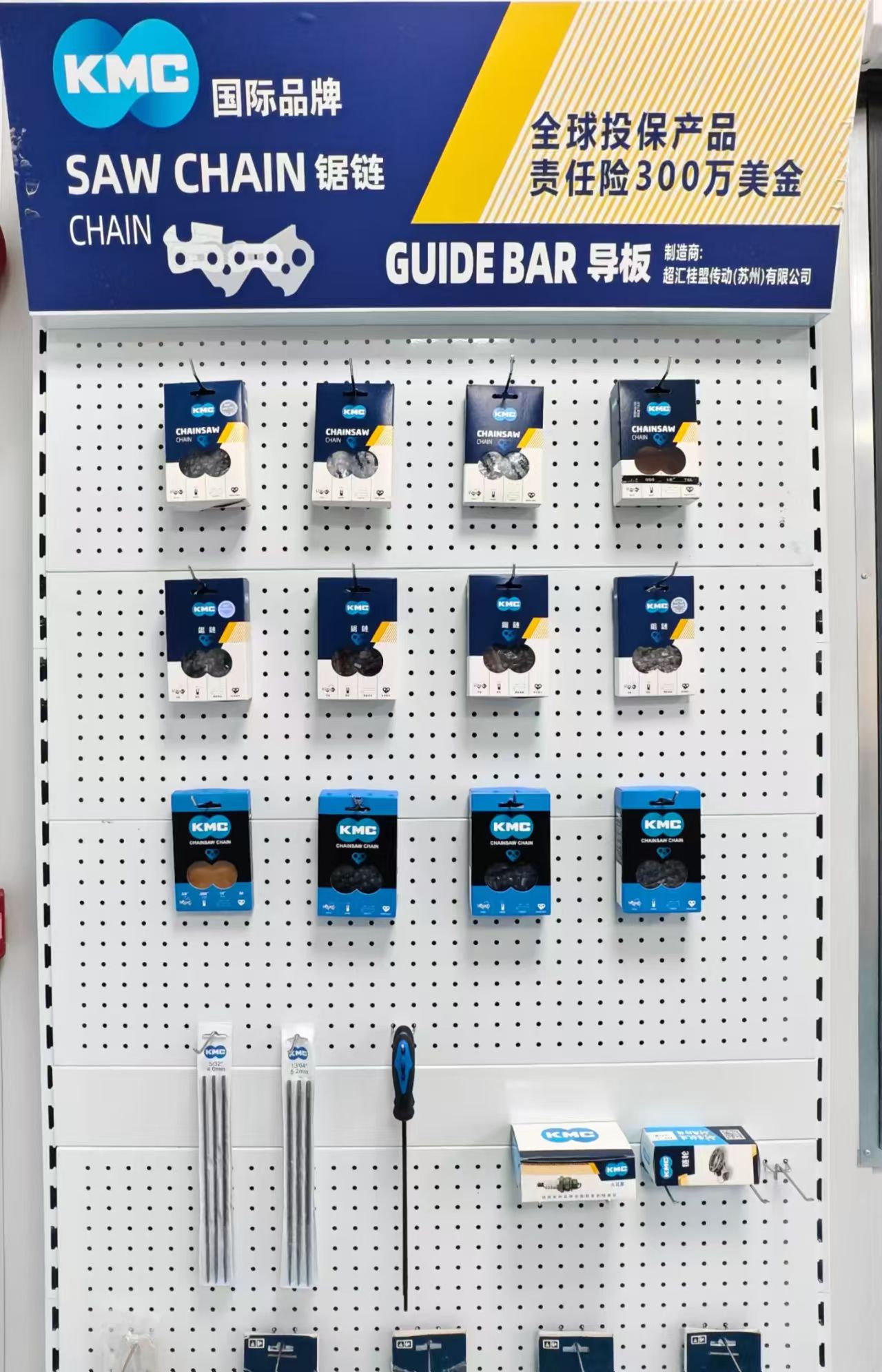
Build an OEM or wholesale range from verified pitch, gauge, drive links and cutter requirements.
Useful supplier communication is specific. Instead of asking for “a 16-inch chain,” provide the saw or bar reference, pitch, gauge and drive-link count. Instead of asking for “the strongest chain,” explain whether the product is for pruning, firewood, landscaping, clean timber, mixed wood or professional logging.
Build a Technical Specification Before Requesting a Quote
A quote can only be compared fairly when every supplier receives the same specification. A product name that includes just the pitch or bar length can hide important differences. Create one row for each SKU and do not combine several drive-link counts into an unclear description.
| Field | What the buyer should provide | Why it matters |
|---|---|---|
| Pitch | Exact family such as .325 or standard 3/8 | Must match the sprocket and bar-nose system |
| Gauge | Drive-link thickness required by the bar | Must match the guide-bar groove |
| Drive links | Exact count for the loop | Controls installed chain length |
| Cutter and sequence | Full or semi chisel; sequence when applicable | Defines the cutting configuration |
| Application | Target saws, wood and user group | Helps confirm an appropriate product family |
Buyers can use existing categories such as the .325 chainsaw chain range and standard 3/8 chainsaw chain range to organize a request. The final chain still needs its gauge and drive-link count.
Add commercial fields to the same sheet: annual or order quantity estimate, packaging unit, label language, barcode or SKU requirements, carton marking and destination. Estimates should be identified as forecasts, not guarantees, so both parties can plan without confusing a sales target with a confirmed purchase order.
OEM and Private-Label Decisions
OEM work should separate product decisions from branding decisions. First approve the chain specification and reference sample. Then confirm the pack format, printed content and identification system. Changing several technical and packaging variables at the same time makes sample review harder.
A practical private-label brief may include:
brand name and approved logo artwork;
SKU, pitch, gauge and drive-link count shown on the package;
cutter type and chain family where needed for identification;
package format, quantity per inner box and carton marking;
languages, warnings and buyer-supplied regulatory text;
barcode data and the party responsible for checking it; and
the approved sample or specification revision used for production.
Packaging should make the replacement size easy to identify. Decorative claims must not obscure the fit information. If a product is described as low profile, low kickback or intended for a particular application, the description must correspond to the actual chain and compatible cutting system.
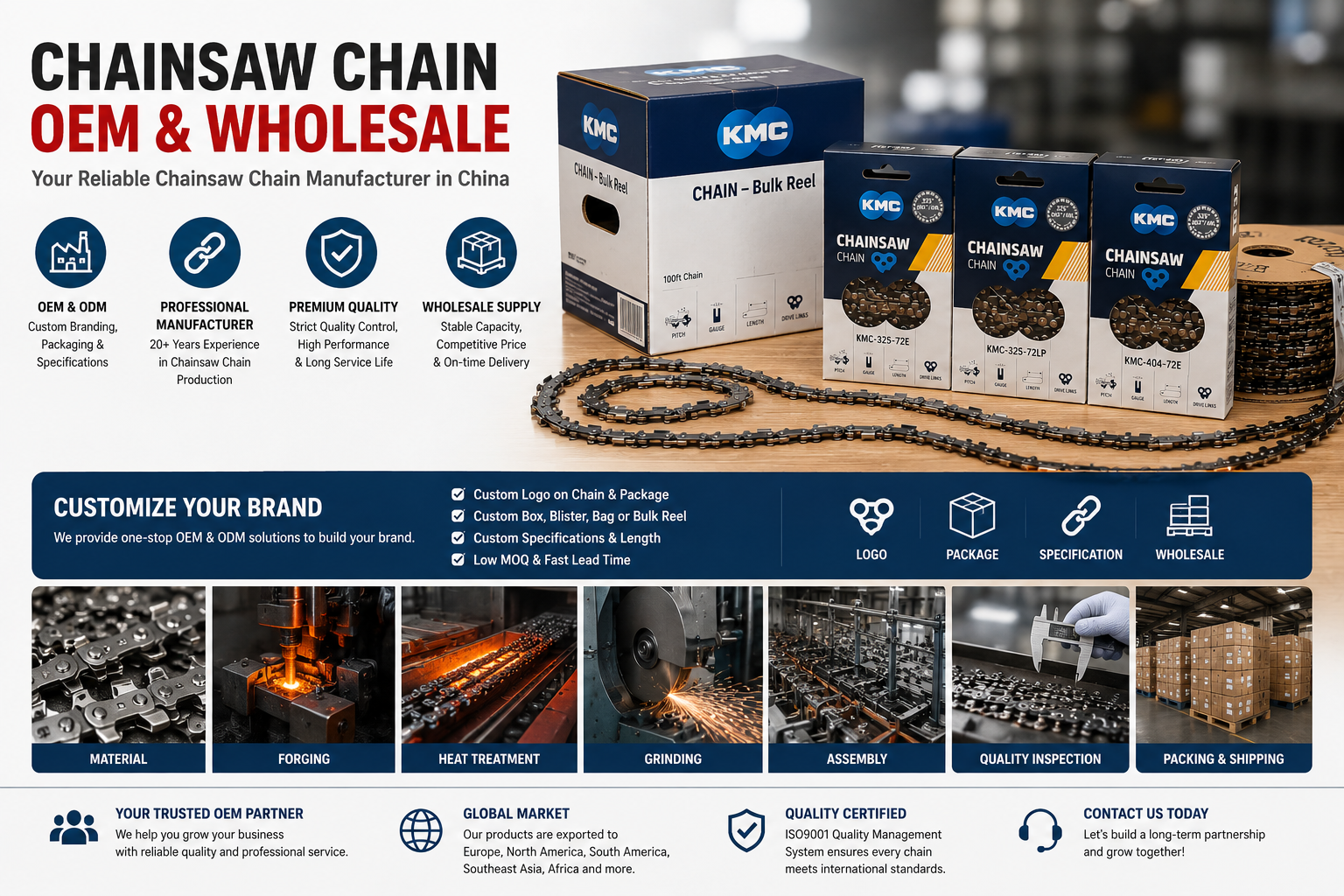
The KMC OEM and wholesale service provides a starting point for discussing private-label and bulk projects. A buyer should send the technical SKU list together with branding requirements so the two parts can be reviewed in a controlled order.
Sampling and Quality-Control Planning
A sample is most useful when it represents the intended production specification. Label each sample with a reference that connects it to the quote and specification sheet. Record the pitch, gauge, drive links, cutter configuration and package version. If the sample changes, update the revision rather than relying on an informal message.
Inspection criteria should be agreed before production. The exact plan depends on the product and contract, but a buyer can discuss dimensional identification, loop configuration, visible assembly condition, articulation of links, packaging accuracy, label data and quantity. Functional evaluation should be performed with compatible equipment and by people qualified to assess the cutting system.
Document review: confirm that quote, sample and artwork use the same SKU data.
Reference confirmation: identify which physical sample or approved specification controls production.
Pre-production check: confirm packaging files, labels and carton marks before volume work.
Inspection agreement: define what will be checked, by whom and how results are recorded.
Change control: require written approval for technical or packaging changes.
Avoid unsupported conclusions based only on a polished sample box. Product identification, fit and consistency matter more than presentation alone. Likewise, avoid treating a single sample as proof of future batch performance; the purpose of a quality plan is to keep later production aligned with the approved reference.
Wholesale Assortment and Order Planning
A wholesale range should reflect the saws and replacement patterns in the target market. Start with confirmed demand from existing customers, installed equipment and sales records. Then group SKUs by pitch and gauge so warehouse identification is straightforward. Keep low-profile and standard 3/8 products clearly separated.
Mixed orders require particular attention to labels. Similar chains may have different drive-link counts, and a packaging error can make a technically correct chain unusable for the customer’s bar. Use a unique SKU for each specification and repeat the essential size fields on the inner pack and carton where practical.
Commercial terms should be compared on the same basis. Clarify whether pricing includes retail packaging, inner boxes, cartons, labeling, sample work or other requested services. Confirm the delivery term, payment arrangement, production reference and responsibility for shipping documentation in writing.
For repeat orders, send the prior approved SKU and revision rather than describing the product again from memory. Ask the manufacturer to identify any proposed change before the order is accepted. Consistent records reduce the chance that a packaging update or assortment change accidentally affects the technical chain.
Buyers can review the KMC chainsaw chain product range when building an initial assortment. The category page helps organize available families, while the purchase specification remains the controlling document.
Frequently Asked Questions
What information should I send for a chainsaw chain quotation?
Send one line per SKU with pitch, gauge, drive-link count, cutter or chain family, expected application, quantity and packaging requirement. Add bar or saw references when available, but do not use the model name as a replacement for the technical size.
What is the difference between OEM and wholesale chainsaw chain?
Wholesale usually focuses on purchasing existing specifications and packaging formats in quantity. OEM or private-label work may add custom branding, labels, assortments or agreed product details. In both cases, the technical chain specification must be confirmed first.
Should I approve packaging before the chain sample?
Approve the technical product and its identification before finalizing printed packaging. Otherwise, artwork may be built around an incorrect size or product description. Packaging approval should reference the same SKU and revision as the accepted chain sample.
How can I compare quotations from different manufacturers?
Give each manufacturer the same specification, quantity, packaging, delivery basis and inspection expectations. Separate included services from optional costs. A lower figure is not directly comparable if it excludes packaging or refers to a different chain configuration.
Can a manufacturer select drive-link count from bar length alone?
Bar length alone is not a unique chain identifier. Provide the marked specification or verified drive-link count for the actual bar. Similar nominal lengths can use different pitch, gauge or loop configurations.
Conclusion: Selecting a China chainsaw chain manufacturer requires a controlled technical and commercial process. Define pitch, gauge, drive links and cutter configuration; approve representative samples; connect packaging to a clear SKU; and document inspection and change control. This approach supports both private-label development and repeat wholesale purchasing.
To discuss a product list, packaging brief or sample plan, contact KMC with your complete chainsaw chain specification sheet.