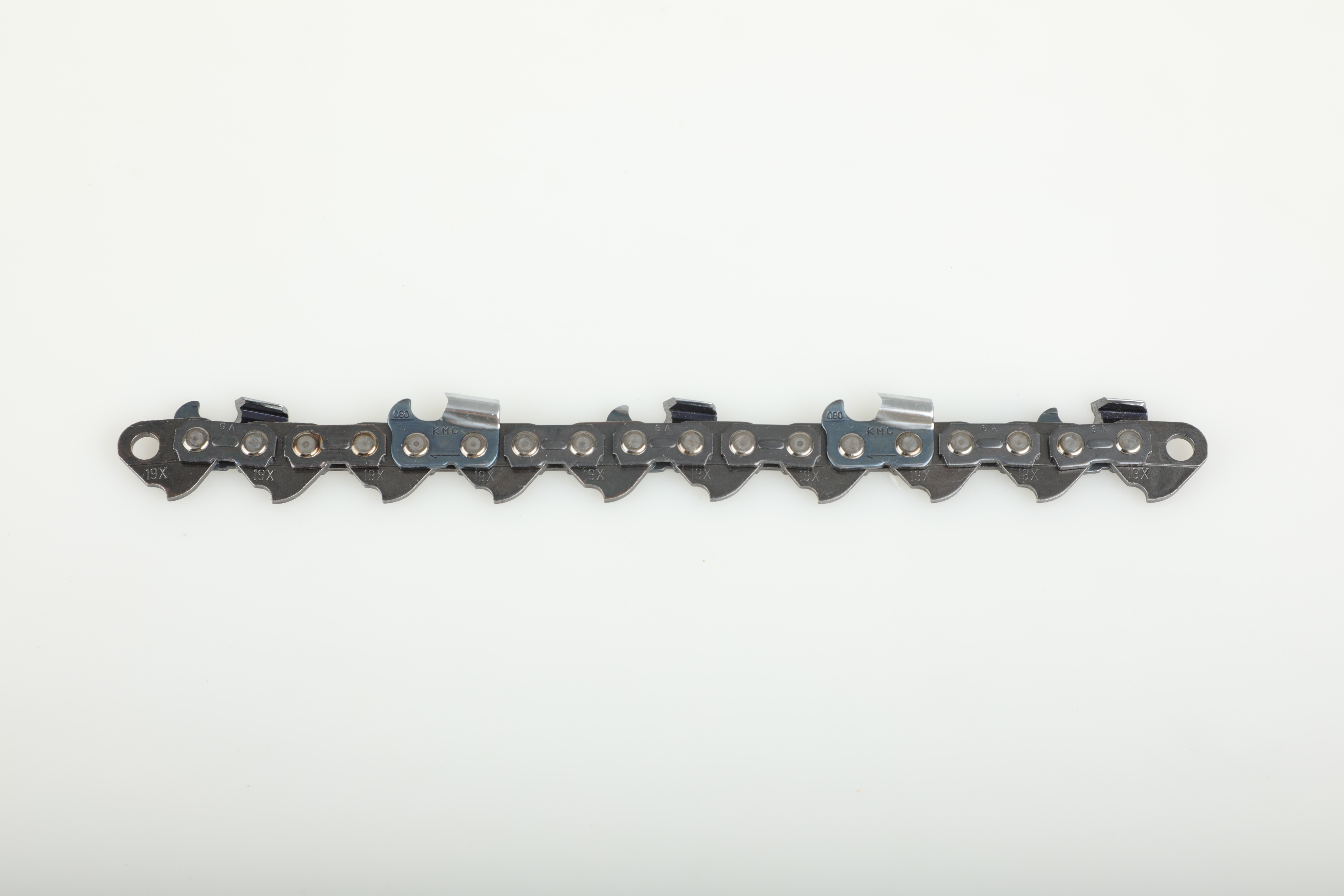
Quick answer: A chainsaw chain supplier selection checklist should test five things: specification accuracy, product-range fit, sample control, quality and traceability, and the ability to deliver correctly labeled orders. Importers should compare suppliers with the same chain list and package brief. The strongest candidate is not merely responsive; it can explain limits, record approvals and repeat the accepted configuration.
Importers often receive quotations that look comparable but are based on different assumptions. One supplier may quote a retail loop, another a plain loop, and a third may not include the requested gauge or drive-link count. This article gives purchasing teams a repeatable checklist for screening a chainsaw chain supplier before a trial order, reducing fit errors and preventing avoidable package revisions.
- Prequalify the supplier with a structured chain list.
- Confirm category coverage without accepting universal-fit claims.
- Treat sample labeling and documents as part of the test.
- Review quality records at the level of your order.
- Score service, specification and total order cost together.
Table of Contents
- Build the Chainsaw Chain Supplier Selection Checklist
- Check Product Range and Specification Discipline
- Evaluate Samples as a Miniature Order
- Review Quality, Traceability and Issue Handling
- Compare Packaging and Import Support
- Score the Supplier and Run a Trial Order
- Frequently Asked Questions
- Conclusion
Supplier selection works best when every candidate answers the same technical, quality and commercial questions.
Build the Chainsaw Chain Supplier Selection Checklist
Start with a single comparison sheet. List each required pitch, gauge, drive-link count, cutter form, package and estimated quantity. Add columns for sample availability, lead-time assumption, price basis and open questions. Sending the same sheet to every candidate prevents the review from becoming a collection of unrelated email answers.
Include the intended sales channel. A distributor supplying repair shops needs clear part identification and repeat availability, while a retail program may need artwork, barcodes and multilingual packaging. The core chain dimensions stay the same, but the operating requirements differ. State them before the supplier prepares a quote.
Assign an owner and revision number to the checklist. If requirements change during sourcing, send the updated version to all remaining candidates. This simple control prevents an earlier quotation from being compared with a later, more demanding specification.
| Checklist area | Evidence to request | Decision question |
|---|---|---|
| Specification | Completed chain matrix | Did the supplier quote every value correctly? |
| Range | Relevant category and model list | Can it support the planned assortment? |
| Sample | Labeled representative loops | Does sample identity match the request? |
| Quality | Inspection and batch-control explanation | Can issues be traced and contained? |
| Commercial | Normalized quotation | Are all required services included? |
Check Product Range and Specification Discipline
A broad range is useful only when the supplier can distinguish similar specifications. Review its coverage of 3/8 low profile, .325, 3/8, .404 and 1/4 chains against your actual assortment. Ask which gauges and cutter forms are available in each category.
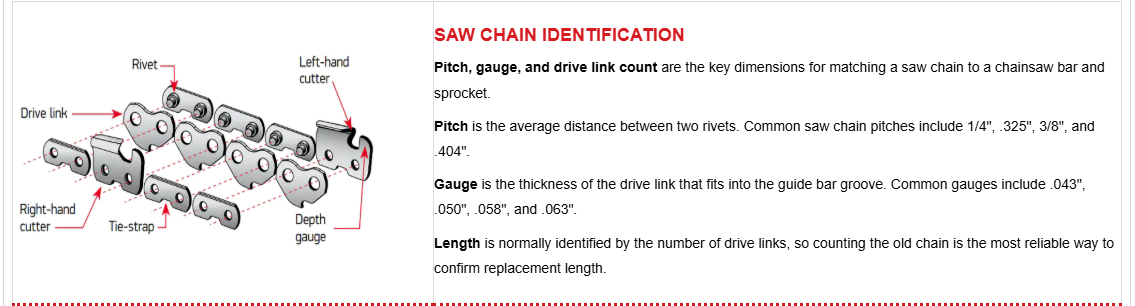
Watch how the supplier handles an incomplete request. A disciplined response identifies the missing fit value instead of assuming it. It should also separate pitch from gauge and drive-link count, and it should not claim that guide-bar length alone determines the loop. These small details reveal whether the commercial team understands the product it sells.
Ask for a product-code structure that can remain stable across repeat orders. If the same internal number has been used for multiple configurations, warehouse and package errors become more likely. Each saleable loop should have a traceable identity connected to the approved specification.
Evaluate Samples as a Miniature Order
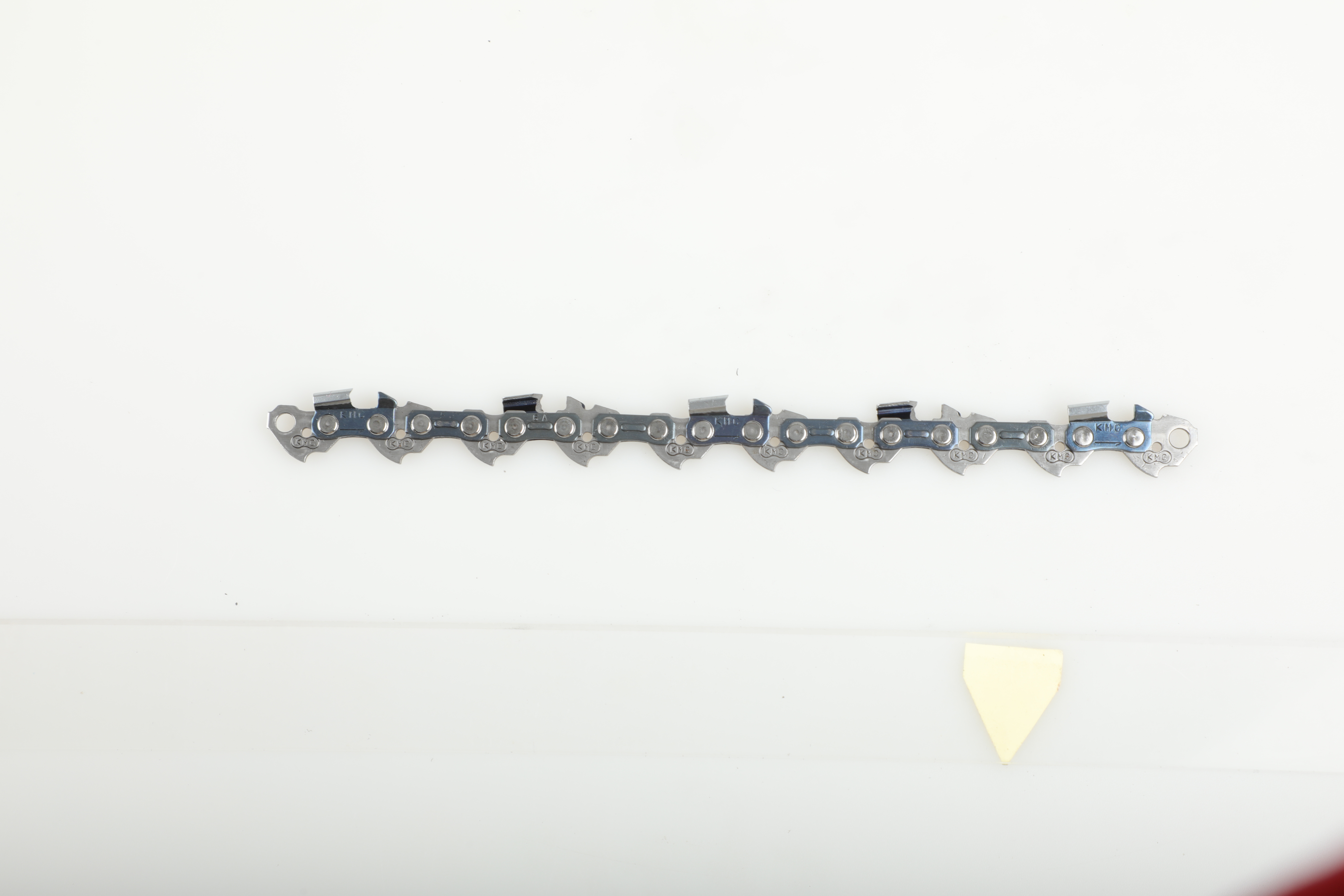
Run the sample like a small production order. Send the specification, request the intended label format, and set a deadline that allows the supplier to explain availability. When samples arrive, confirm loop dimensions, drive-link count, cutter form, package identity and any requested branding. Record both the product result and the accuracy of the paperwork.
A sample taken from stock can prove an existing configuration, but it does not automatically prove custom artwork or a new package. If the program depends on private-label fulfillment, ask for a packaging mock-up or printed proof in addition to the chain sample. Keep the approved sample and document together.
Use a controlled fit check with the appropriate bar and drive system. The purpose is to confirm the specified configuration, not to declare compatibility with every saw. If the result differs from the request, require a written root explanation and corrected sample before discussing a production release.
Review Quality, Traceability and Issue Handling
Ask where incoming components, in-process work and finished chains are checked. The answer should cover fit-critical measurements, assembly condition, cutter preparation, count verification and package identity. Avoid scoring a supplier highly just because it lists many inspection words. Score whether the described checks control the risks in your chain matrix.
Traceability should let the supplier connect an order and carton to a production batch. Ask what information would be needed if one market reported an incorrect label or an abnormal fit. A practical containment process protects unaffected stock and shortens the investigation.
Discuss complaint handling before an order exists. Define the photographs, measurements, package codes and quantities needed for review, and identify who receives the report. A supplier that can describe this process calmly before a sale is usually easier to work with when a real problem needs attention.
Compare Packaging and Import Support
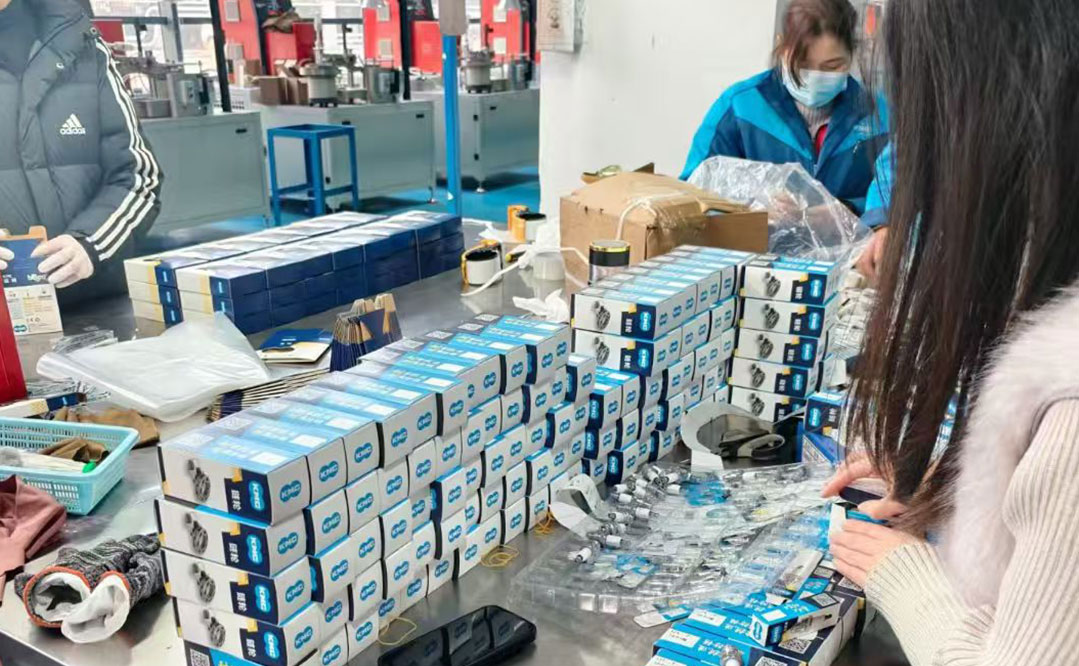
Packaging is an identification system as well as a sales surface. Confirm which values will appear on the inner package, carton and packing list. Review product codes, units, barcodes, language and quantity. Similar-looking chains should not rely on color alone to distinguish specifications.
Ask which export and shipping documents the supplier normally prepares and which details the buyer must provide. Do not assume that a product quotation includes every destination-specific requirement. The importer remains responsible for confirming its market rules, while the supplier should reproduce the agreed commercial and package information accurately.
For private-label or wholesale programs, compare the available OEM support with your artwork process. Clarify proof approval, file ownership, carton marks and what happens when the chain specification changes after artwork has been prepared.
Score the Supplier and Run a Trial Order
Use weighted scoring instead of a simple yes-or-no decision. Specification accuracy and sample fit should carry more weight than presentation style. Quality control, communication, packaging and commercial terms follow. Record concerns and conditions of approval so they are visible when the trial order is placed.
Keep the first order manageable but representative. Include enough of the planned assortment to test order entry, production identification, packaging and shipment documents. Avoid using an easy sample that proves only one common loop when the future program contains many similar variants.
After receipt, review quantity, carton identity, package accuracy and representative chain checks. Share a written closeout with the supplier. If the trial succeeds, the same checklist becomes the baseline for repeat orders. Send a defined chain matrix through the KMC contact page when requesting a supplier review.
Suggested scoring weights
- Specification and sample accuracy: 30%
- Quality control and traceability: 25%
- Range and supply fit: 15%
- Packaging and documentation: 15%
- Communication and commercial clarity: 15%
Frequently Asked Questions
What is the first question to ask a chainsaw chain supplier?
Ask the supplier to confirm pitch, gauge and drive-link count for each requested loop. This quickly tests whether the response is based on a complete fit specification. Follow with cutter form, package and quantity rather than starting with price alone.
Can one sample represent an entire chainsaw chain range?
Usually not. One sample proves only the configuration and packaging that were checked. A mixed range should represent every fit-critical combination and every materially different package. Similar specifications still need separate identification and approval records.
How should importers compare supplier quotations?
Normalize dimensions, cutter form, quantities, package type, printing work, inspection scope and delivery basis. Separate one-time costs from recurring unit prices. Record exceptions in the comparison sheet so a missing requirement is not mistaken for a lower price.
Why is batch traceability important for a distributor?
Traceability helps isolate affected stock if a fit, assembly or label issue is reported. It connects cartons to an order, specification and production batch, making investigation and corrective action faster without treating unrelated inventory as suspect.
Conclusion
A useful chainsaw chain supplier selection checklist makes every candidate answer the same questions about fit, range, samples, inspection, traceability, packaging and commercial terms. Score evidence rather than promises, then use a representative trial order to confirm execution. This approach gives importers a stronger basis for repeat supply and a clearer conversation with KMC.